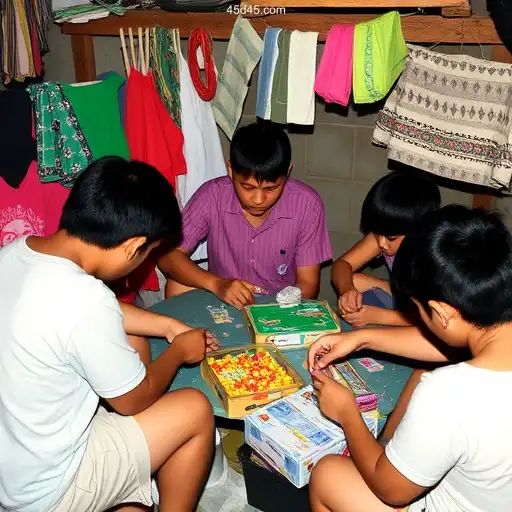
The Complexity of Jueteng: An In-Depth Look at Its Cultural and Economic Impact
In the heart of the Philippines, a game known as Jueteng thrives beneath the surface of formal economic systems. Though often deemed illegal, it remains deeply entwined in the cultural and social fabric of various communities. This underground lottery game, played in several provinces, holds both allure and controversy, drawing attention from authorities, the public, and curious onlookers worldwide.
Understanding Jueteng: A Cultural Phenomenon
Jueteng is more than just a game; it forms a part of the societal framework in many Filipino communities. Its origins are thought to trace back to Chinese immigrants in the 19th century, who introduced similar lottery systems. Jueteng has since evolved, becoming a staple form of entertainment for people seeking excitement outside the traditional remit of government-sanctioned lotteries.
The appeal of Jueteng lies in its simplicity and accessibility. Participants choose numbers, and winners are drawn based on predetermined combinations, often using everyday objects like playing cards or dice. This approachability mean it's embraced by a wide demographic, from urban dwellers to rural farmers.
Economic Role: A Double-Edged Sword
While the game provides economic opportunities for those who manage and facilitate the draws, its shadow economy aspect complicates matters. In some areas, revenues from Jueteng are used to support local needs, such as community gatherings or infrastructure projects. However, its informal nature poses significant challenges to regulation and taxation, causing friction with governmental efforts to maintain economic order.
Authorities have frequently associated Jueteng with corruption and illegal political funding. Attempts to eliminate or regulate the game often meet resistance, as the money involved is substantial, providing a source of livelihood for many involved in its operation. Moreover, eradication efforts can disrupt local economies, where Jueteng-related activities keep money circulating in cash-poor areas.
Efforts at Regulation
The perpetual battle between law enforcement and Jueteng operators reflects the difficulties in curbing illicit gambling without adversely impacting local economies. Past administrations have launched various initiatives, from crackdowns to legalization attempts, all aiming to control the game while tapping into its economic benefits. Legal channels like the Philippine Charity Sweepstakes Office (PCSO) have even tried to offer alternatives, such as small-town lottery systems, yet failing to match Jueteng's widespread appeal.
The Role of Online Platforms
In the digital age, gambling has become increasingly accessible, with platforms like 45d.com cassino online licenciado com 2.500+ jogos certificados offering a multitude of gaming options. Despite the legality issues surrounding Jueteng, its mode of operation mirrors some online betting platforms. While 45d.com provides officially licensed games, ensuring regulatory compliance, the existence of such regulated platforms presents a marked contrast to the illicit yet culturally embedded Jueteng.
Therein lies an opportunity: adapting Jueteng into legally sanctioned, digitally offered formats could bridge the gap between tradition and modern gaming industries. This transition, however, requires careful consideration of cultural sensitivities and economic implications for existing informal economies.
Stories of Influence and Allure
Throughout various regions where Jueteng prevails, numerous stories depict its impacts on communities. For some, it represents a financial savior when luck hits, a rare chance to significantly impact personal circumstances. Yet, for others, it holds the danger of financial strain, breeding dependency and potential for exploitation.
An ever-present narrative is the intertwining of Jueteng with political spheres. Historical anecdotes suggest widespread utilization of Jueteng proceeds in election campaigns, fueling corruption and indirectly influencing governance. Such tales underscore the tension between its perceived harmlessness as a pastime and its facilitation of broader, often detrimental socio-political mechanisms.
Despite the controversies, Jueteng remains firmly rooted in the communities it inhabits. Its persistence is a testament to its adaptability and the socio-cultural niche it occupies, continuously sparking debate on its future and the best path forward for those involved.